Head lice and nits: how to check and treat them
Head lice are very common in children and have nothing to do with dirty hair. How to check properly with a detection comb, wet combing step by step, which pharmacy treatments work — and what not to bother with.
Reviewed on
Not medical advice. This guide is general information from the sources listed, not a diagnosis or a substitute for a pharmacist, GP or dermatologist. If you are worried, or symptoms are severe or not improving, get advice. Read our health information policy.
The basics
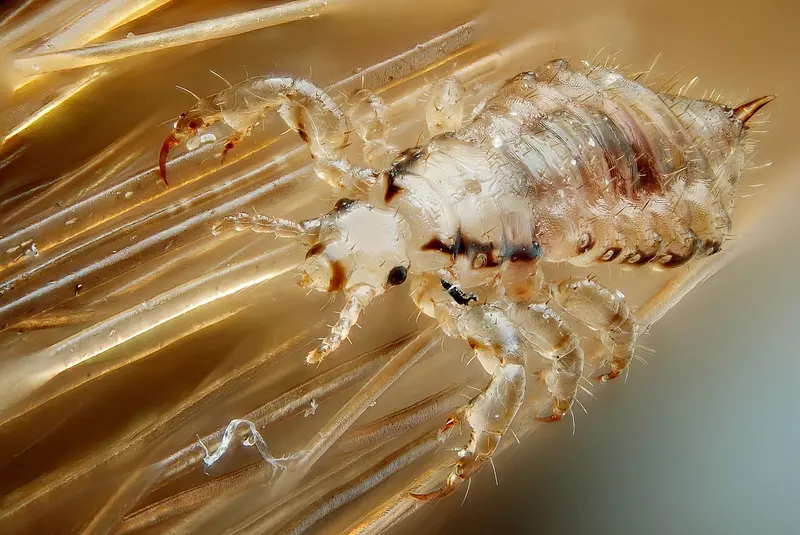
Head lice are small insects, up to 3mm long, that live in hair close to the scalp. Their eggs (nits) are glued to hair shafts and look brown or white. They're very common in young children and their families — the British Association of Dermatologists (BAD) says they're most common between about 4 and 11.
Some facts that cut through the playground myths:
- They're not caused by dirty hair. The NHS is clear on this, and NICE says there's no evidence lice prefer clean or dirty hair.
- They can't fly, jump or burrow. They spread mainly by head-to-head contact.
- You can't catch them from pets.
- Itching isn't proof. Some people with lice don't itch, and an itchy scalp alone isn't enough to diagnose them.
How to check: detection combing
The only way to be sure is to find a live louse. Use a fine-toothed detection comb (from pharmacies; NICE notes that nit combs such as the Bug Buster kit are available on the NHS):
- Wash hair with ordinary shampoo and apply plenty of conditioner.
- Comb the whole head of hair with the detection comb, section by section, from the roots to the ends.
- Check the comb for lice as you go.
Empty egg cases on their own don't mean there's an active infestation.
How to treat
The NHS says you can treat head lice without seeing a GP. Check everyone you live with or have close contact with, and treat anyone who has lice on the same day.
Option 1: wet combing
Using the detection-combing method above, comb the whole head thoroughly on days 1, 5, 9 and 13 to catch newly hatched lice, then check again on day 17. It doesn't use any chemicals, which is why the British Association of Dermatologists lists it among first choices for babies and toddlers, in pregnancy and for people with asthma or eczema — but it takes patience.
Option 2: medicated lotion or spray
If wet combing hasn't worked or isn't practical, use a lotion or spray from a pharmacy or supermarket. Physical treatments such as dimeticone coat the lice and kill them without acting on their nerves, so resistance is unlikely. BAD says wet combing or dimeticone 4% lotion is generally first choice in pregnancy and breastfeeding, for babies and toddlers aged 6 months to 2 years, and for people with asthma or eczema.
- Follow the pack exactly: most are applied to dry hair, covering the scalp and all the hair, and left on for the stated time.
- Many need a second application after about a week to kill newly hatched lice.
- Check the pack to make sure it's suitable for the person's age.
- Dimeticone products can be flammable on the hair — keep away from flames, cigarettes and heaters during treatment.
- An itchy scalp can last 2–3 weeks after successful treatment; that doesn't mean it failed.
Not recommended
The NHS doesn't recommend products containing permethrin, head lice "repellents", electric combs, or plant oil and herbal remedies such as tea tree, eucalyptus and lavender oil. Don't use medicated lotions to prevent lice — they can irritate the scalp.
School, laundry and prevention
- No need to keep children off school, and no need to hot-wash laundry or fumigate the house — lice die within a day or two away from the head. Do let the school know.
- There's nothing you can do to fully prevent lice, but regular checks with a detection comb (NICE suggests weekly for primary-school children) help catch them early.
Sources
- NHS – Head lice and nits nhs.uk
- NHS – Is my child too ill for school? nhs.uk
- British Association of Dermatologists – Head lice bad.org.uk
- NICE CKS – Head lice cks.nice.org.uk
- NICE CKS – Head lice: management cks.nice.org.uk