Straight to coily: curl patterns 1A to 4C
The 1–4 / A–C shorthand is the most widely used way to describe curl pattern. It’s handy for comparing notes and choosing products — but it is informal, most heads have more than one pattern, and porosity and density often matter just as much.
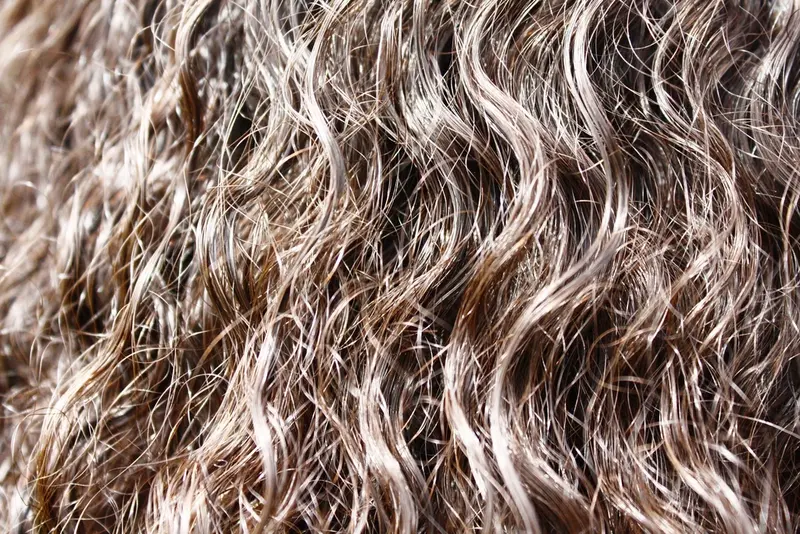
Straight
Hair that falls flat from root to tip, from fine and silky to thicker with a slight bend.
Care guide for straight hair →Wavy
Loose S-shaped waves — from a barely-there bend to defined waves that start near the root.
Care guide for wavy hair →Curly
Defined loops and ringlets, from big loose curls to tight corkscrews — moisture and gentle detangling come first.
Care guide for curly hair →Coily
Tight coils and zigzags with lots of shrinkage — gentle handling, moisture and loose styles matter most.
Care guide for coily hair →The drawings are our own simplified illustrations, not measurements. Your roots, lengths and ends may all look different, and your pattern can look different as hair grows or after heat and chemical treatments.
Beyond curl pattern
Porosity (how readily hair takes up water), density (how many hairs) and strand thickness all change what works.
- Hair types explained: the 1A–4C curl patterns (and their limits)Where the 1–4, A–C hair typing system comes from, what each number and letter means, why scientists use a different eight-type scale — and why your hair type is a starti…
- Hair porosity, density and thickness: what they really meanPorosity, density and strand thickness shape how your hair behaves as much as curl pattern does. What each term means scientifically, what changes them — and why the gla…