Bumble and bumble
Sunday Clarifying Shampoo
Key ingredients: Ginseng, rosemary and sage (named as the headline blend; no strengths stated)
Tight coils and zigzags with lots of shrinkage — gentle handling, moisture and loose styles matter most.
Reviewed on
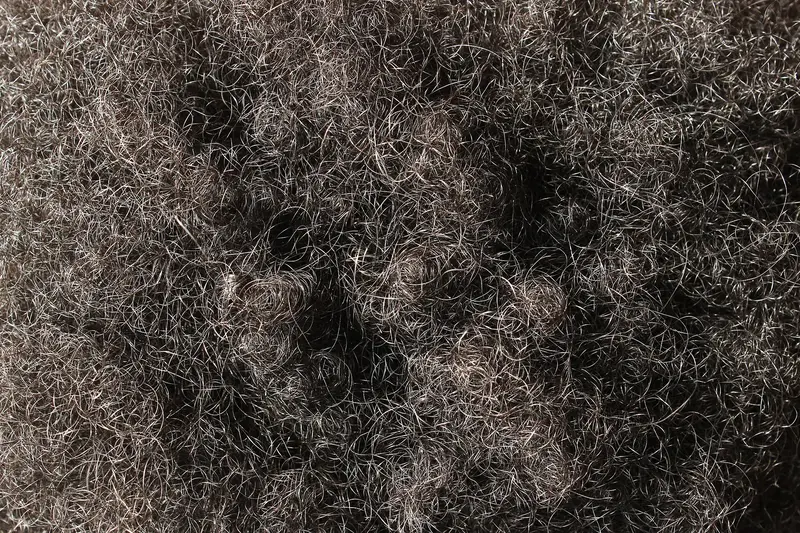
Coily hair (type 4) forms tight coils, S-shapes or sharp zigzags, often with a lot of shrinkage. A study of hair density found African volunteers had lower average density and slower-growing hair than white volunteers — one reason length retention, rather than growth, is the focus for many people with coily hair.
The American Academy of Dermatology advises always combing textured hair and tight curls while damp, with a wide-tooth comb. Protective styles that pull too hard can cause traction alopecia, which the British Association of Dermatologists says is often seen in women and children of African descent who regularly use braids or chemical relaxers.
Wash about once a week or every other week, or when there's build-up or unwanted oiliness (American Academy of Dermatology; British Association of Dermatologists). Washing too often can dry the scalp and hair.
Condition every wash, use a leave-in, and always detangle damp hair with a wide-tooth comb, working up from the ends.
Use a heat protectant and the lowest setting that works — the American Academy of Dermatology suggests straightening no more than once a week. Keep braids, twists and extensions loose and give your hairline a rest.
Protect hair at night with a loose silk or satin bonnet or scarf, or a loose pineapple; avoid tight styles and rollers in bed.
Build a full routine for coily hair
Products whose manufacturer lists this hair type, or no particular type. Not a ranking. As an Amazon Associate I earn from qualifying purchases.
Key ingredients: Ginseng, rosemary and sage (named as the headline blend; no strengths stated)
Key ingredients: Mint; Amino Mint Strength Complex; chelators (no strengths stated)
Key ingredients: Glycerides (named as the key ingredient for moisture and manageability)
Key ingredients: Pure Vitamin Cg (a vitamin C derivative – ascorbyl glucoside); UV filters
Key ingredients: Olaplex Bond-Building Technology (patented; appears in the ingredient list as Bis-Aminopropyl Diglycol Dimaleate)
Key ingredients: Hydrolyzed Elastin, Castor Oil, Olive Oil, Glycerin
Key ingredients: Aminexil; Biotin; Arginine
Key ingredients: Collagen Peptides (synthetic Palmitoyl Tripeptide-1 and Palmitoyl Tetrapeptide-7)
Key ingredients: Fair trade shea butter; vitamin B complex
Key ingredients: Fair trade shea butter; vitamin B complex; coconut oil
Key ingredients: Hyaluronic Acid (sodium hyaluronate); Green Tea Extract; Lavender Flower Extract; Castor Oil (as PEG-40 hydrogenated castor oil)
Key features: Flexible teeth that the retailer copy says 'flex and flick' through hair; ergonomically shaped, handle-free body. Described as suitable for all hair types, including fragile, colour-treated or fine hair, hair extensions and weaves.
Key features: Extra-wide teeth; hand-crafted from cellulose acetate plastic in a tortoiseshell finish; length 16 cm (6.25 in); 12-month limited warranty.
Key features: IntelliFlex bristles that bend and spring back; SofTips bristle ends; ergonomic rubberised non-slip handle. Described as suitable for any hair type, including extensions, wigs and children's hair.
Key features: Boar bristle tufts (seven rings); Dry Natural Rubber (DNR) cushion; cellulose acetate handle and base; length 22.52 cm, width 6.98 cm, head 11.7 cm; supplied with a cleaning brush; 12-month limited warranty.
Key features: 100% silk: 22 momme, grade 6A long-fibre mulberry silk ('SlipSilk'); size 51 cm x 76 cm (20 in x 30 in).
Key features: 100% polyester satin; size 66 cm x 48 cm; one pillowcase per pack; available in several colours and prints.
Key features: Satin charmeuse fabric; tie-style tails at the back.
Key features: 100% mulberry silk; elasticated silk edge; knotted-front design; hand-crafted in London (per brand copy).
Key features: Spiral shape; smooth, non-absorbent surface that the brand says stays dry even when worn on the wrist; 3 hair ties per pack.
Key features: 100% grade 6A long-fibre mulberry silk, 22 momme; set of 4 skinny scrunchies (as listed).
Key features: Satin polyester 90%, rubber 10%.