Sleep and hair: silk pillowcases, satin bonnets and night-time care
Silk and satin are hugely popular for protecting hair overnight, especially curly and coily hair. Here's what's known (very little), what's sensible, and how to avoid night-time breakage.
Reviewed on
What the evidence says
Silk pillowcases and satin bonnets are often sold as reducing frizz, tangles and breakage. We searched the medical literature and found no peer-reviewed studies testing them on hair — the "friction tests" we found were run by brands, and we couldn't verify the studies some blogs cite.
The nearest thing to expert backing is a line from the American Academy of Dermatology about head coverings: a scarf or covering made of silk or satin is gentler on hair than other materials. That's an expert opinion about head coverings, not trial evidence, and it doesn't mention pillowcases.
So silk and satin are a reasonable, low-risk choice, especially if your hair tangles or frizzes easily — but they aren't proven, and you don't need them for healthy hair.
Night-time habits that make sense
- Don't sleep with tight styles or rollers. The AAD lists rollers worn to bed most of the time among styles that can cause traction alopecia when too tight.
- Loose is better. A loose plait, a loose high "pineapple" for curls, or a loose bonnet or scarf keeps hair contained without pulling.
- Avoid going to bed with soaking-wet hair — wet hair is more fragile, and it tends to tangle.
- Use soft ties without metal joins.
- Keep bonnets and scarves loose at the hairline, and wash them regularly.
Silk or satin?
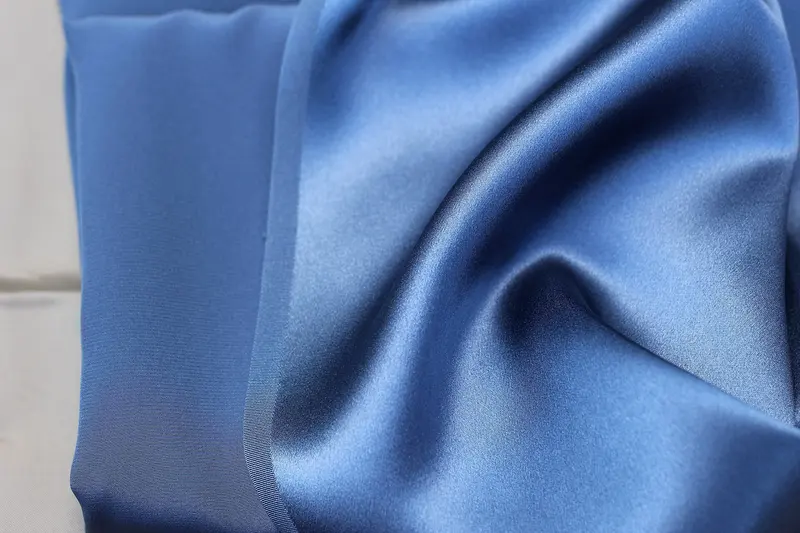
Silk is a natural protein fibre; satin is a type of smooth weave, often made from polyester. Both feel smooth. Choose on comfort, care and budget — see silk and satin pillowcases and bonnets.
Not medical advice. This guide is general information from the sources listed, not a diagnosis or a substitute for a pharmacist, GP or dermatologist. If you are worried, or symptoms are severe or not improving, get advice. Read our health information policy.