Olaplex
No.5 Strengthening Conditioner (formerly No.5 Bond Maintenance Conditioner)
Key ingredients: Olaplex Bond-Building Technology (patented; appears in the ingredient list as Bis-Aminopropyl Diglycol Dimaleate)
Short snapped hairs, split ends and hair that never seems to get longer — usually from heat, chemicals, rough handling or tight styles.
Reviewed on
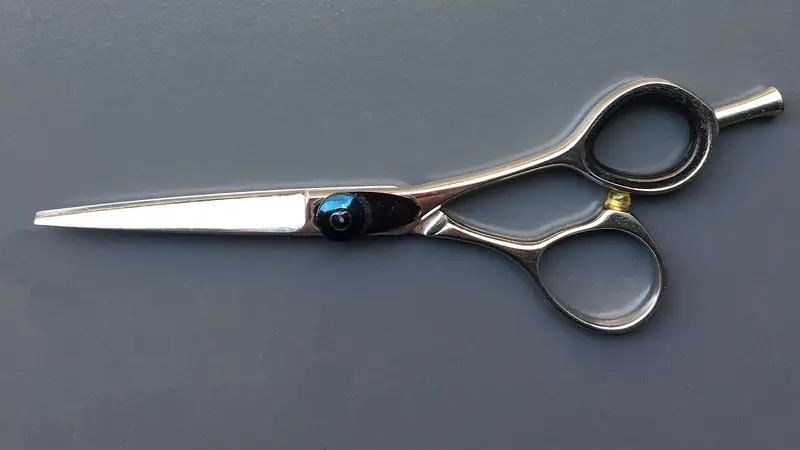
Hair isn't living tissue, so once a strand is damaged it can't heal itself. Conditioners and protein treatments can hold split ends together and make damaged hair behave better — but only until the next wash. The real fix is to remove the causes: high heat, bleaching and relaxing, rough brushing of wet hair, and tight styles. Trim away ends that are already split.
Breakage is different from hair loss: broken hairs snap along the length, while shed hairs come out from the root. If you're seeing patches or thinning at the hairline, read about traction alopecia and hair loss.
Washing: Shampoo the scalp, not the ends, and always follow with conditioner.
Build your routine with this concern
Not medical advice. This guide is general information from the sources listed, not a diagnosis or a substitute for a pharmacist, GP or dermatologist. If you are worried, or symptoms are severe or not improving, get advice. Read our health information policy.
Grouped by category; products the manufacturer says are made for this concern are listed first. Not a ranking. As an Amazon Associate I earn from qualifying purchases.
Key ingredients: Olaplex Bond-Building Technology (patented; appears in the ingredient list as Bis-Aminopropyl Diglycol Dimaleate)
Key ingredients: Hydrolyzed Elastin, Castor Oil, Olive Oil, Glycerin
Key ingredients: Aminexil; Biotin; Arginine
Key ingredients: Polymers and conditioning agents (as described; no specific ingredients named)
Key ingredients: Genamine-si technology; moisturising agents (ingredient list includes niacinamide, castor seed oil and hydrolysed wheat, corn and soy proteins)
Key ingredients: Not specifically highlighted; ingredient list includes dimethicone and hydrolysed conchiolin protein
Key features: Flexible teeth that the retailer copy says 'flex and flick' through hair; ergonomically shaped, handle-free body. Described as suitable for all hair types, including fragile, colour-treated or fine hair, hair extensions and weaves.
Key features: IntelliFlex bristles that bend and spring back; SofTips bristle ends; ergonomic rubberised non-slip handle. Described as suitable for any hair type, including extensions, wigs and children's hair.
Key features: Spiral shape; smooth, non-absorbent surface that the brand says stays dry even when worn on the wrist; 3 hair ties per pack.
Key features: 100% grade 6A long-fibre mulberry silk, 22 momme; set of 4 skinny scrunchies (as listed).
Key features: Satin polyester 90%, rubber 10%.
Key features: 'New generation' Aquitex fabric (AQUIS's microfibre); single button closure. Described as suitable for all hair types but ideal for curly, delicate and damaged hair.
Key features: Microfibre; button fastening; two wraps per pack; machine washable. Described as suitable for all hair lengths and types.
Key features: 46% organic cotton, 46% bamboo, 8% elastane; 95 cm x 55 cm.
Key features: 100% silk: 22 momme, grade 6A long-fibre mulberry silk ('SlipSilk'); size 51 cm x 76 cm (20 in x 30 in).
Key features: 100% polyester satin; size 66 cm x 48 cm; one pillowcase per pack; available in several colours and prints.
Key features: Satin charmeuse fabric; tie-style tails at the back.
Key features: 100% mulberry silk; elasticated silk edge; knotted-front design; hand-crafted in London (per brand copy).