The Ordinary
Multi-Peptide Serum for Hair Density
Key ingredients: REDENSYL, AnaGain, Procapil, CAPIXYL and BAICAPIL complexes; caffeine (no strengths stated)
Gradual thinning, sudden shedding or bald patches. Most hair loss is temporary or part of ageing — some types are worth a GP's view.
Reviewed on
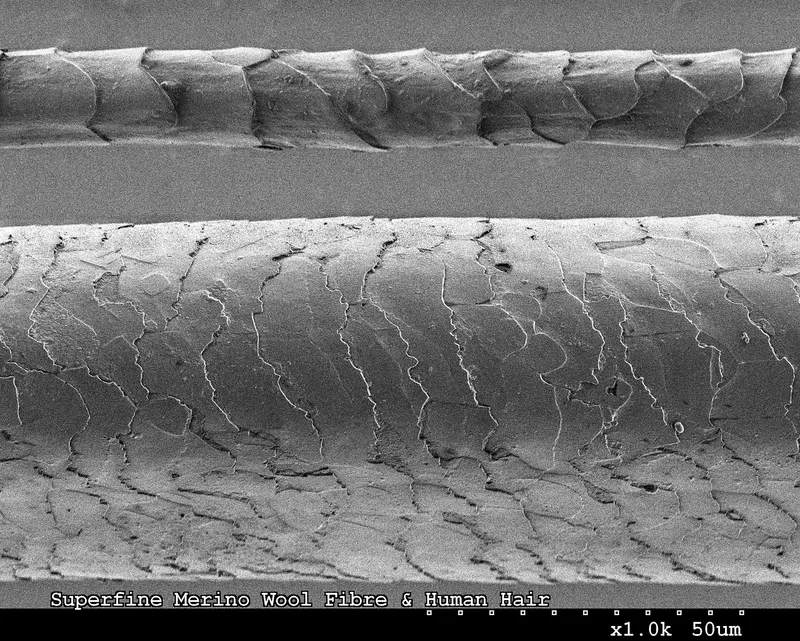
Losing some hair every day is normal — the NHS says 50 to 100 hairs. Noticeable hair loss has several quite different causes: inherited pattern hair loss, sudden all-over shedding (telogen effluvium), round bald patches (alopecia areata), or thinning from tight styles (traction alopecia). The right next step depends on which it is, so the guides below explain how to tell them apart.
No treatment works for everyone. Minoxidil, which you can buy from pharmacies, helps some people with pattern hair loss, but only while it's used.
Washing: Wash as often as you like — NICE guidance says frequent shampooing doesn't make pattern hair loss worse.
Build your routine with this concern
Not medical advice. This guide is general information from the sources listed, not a diagnosis or a substitute for a pharmacist, GP or dermatologist. If you are worried, or symptoms are severe or not improving, get advice. Read our health information policy.
Grouped by category; products the manufacturer says are made for this concern are listed first. Not a ranking. As an Amazon Associate I earn from qualifying purchases.
Key ingredients: REDENSYL, AnaGain, Procapil, CAPIXYL and BAICAPIL complexes; caffeine (no strengths stated)
Key ingredients: Minoxidil 5% w/w
Key ingredients: Minoxidil 5% w/w
Key ingredients: Wild mint oil (Mentha Arvensis Leaf Oil), peppermint oil, salicylic acid
Key features: Spiral shape; smooth, non-absorbent surface that the brand says stays dry even when worn on the wrist; 3 hair ties per pack.
Key features: 100% grade 6A long-fibre mulberry silk, 22 momme; set of 4 skinny scrunchies (as listed).
Key features: Satin polyester 90%, rubber 10%.
Key features: Flexible teeth that the retailer copy says 'flex and flick' through hair; ergonomically shaped, handle-free body. Described as suitable for all hair types, including fragile, colour-treated or fine hair, hair extensions and weaves.
Key features: 7 rows of pins on a half-round pad; removable pad and pins for cleaning; teardrop-shaped handle; durable, scratch-proof print (per retailer copy).
Key features: Extra-wide teeth; hand-crafted from cellulose acetate plastic in a tortoiseshell finish; length 16 cm (6.25 in); 12-month limited warranty.