Telogen effluvium: sudden shedding after stress or illness
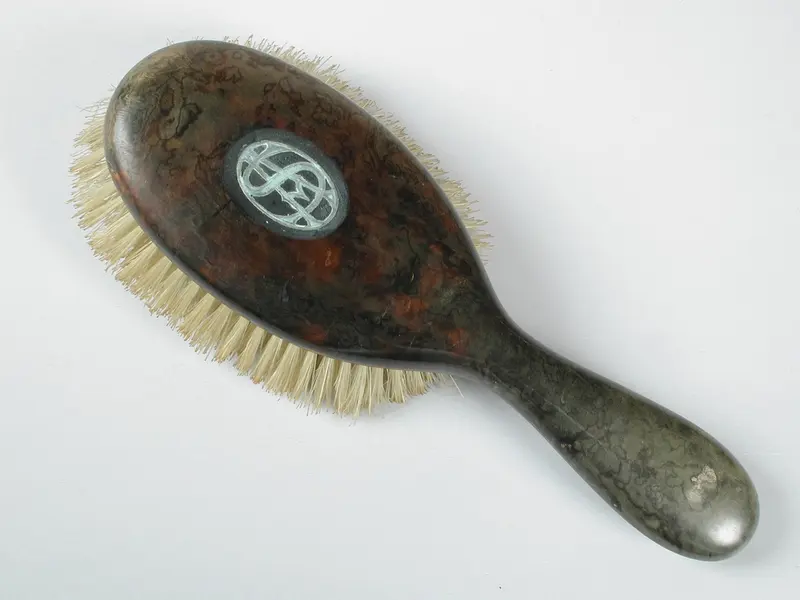
Noticeably more hair in the plughole, on your brush or pillow — often about three months after an illness, childbirth, surgery, crash diet or stressful event. It usually recovers by itself.
Reviewed on
Not medical advice. This guide is general information from the sources listed, not a diagnosis or a substitute for a pharmacist, GP or dermatologist. If you are worried, or symptoms are severe or not improving, get advice. Read our health information policy.
What it is
At any time most of your hairs are growing and a smaller share are in a resting phase before they shed. In telogen effluvium a shock to the body pushes many more hairs into the resting phase at once. Around three months later, they shed together — so you notice much more hair than usual in the shower, on your brush or on your pillow.
The shedding is all over the scalp rather than in patches. Your hair may look thinner overall, but you don't get bald patches. Some people notice a tender scalp.
Common triggers
The British Association of Dermatologists and NHS inform list triggers including:
- childbirth
- high fever, severe illness or injury, and surgery
- stressful or major life events
- marked weight loss and extreme dieting
- iron deficiency and other nutritional deficiencies
- thyroid problems
- starting a new medicine, or stopping a hormone treatment such as the contraceptive pill
Dermatologists say that for about 1 in 3 people no cause is found. It isn't genetic.
What to expect
Telogen effluvium usually gets better without treatment. Shedding typically lasts around three to six months and then new hair grows — though it can take many months for your hair to look as full as before. Medicines don't speed up regrowth. If shedding goes on for more than six months it's called chronic telogen effluvium, and it may continue if an underlying cause, such as low iron, isn't treated. Occasionally a bout of shedding reveals underlying pattern hair loss.
While it settles
- Be gentle — avoid harsh brushing, very tight styles, and lots of heat, bleaching or relaxers while hair is shedding.
- Eat a balanced diet with enough iron and protein, particularly if you've been dieting.
- Try not to panic about the hair in the drain: shedding is often the sign that a regrowth cycle is under way.
Sources
- British Association of Dermatologists – Telogen effluvium bad.org.uk
- NHS inform – Alopecia (hair loss) nhsinform.scot
- NHS – Hair loss nhs.uk