Gym, sweat and hair: washing and styling around exercise
There's surprisingly little research on sweat and hair. What dermatologists' general advice means if you exercise a lot — washing as often as you need, and keeping workout styles loose.
Reviewed on
What the evidence says (and doesn't)
We couldn't find any dermatology guidance or good-quality study on how often to wash after exercise, or whether sweat itself harms hair. So this guide sticks to general principles from dermatologists and is honest about the gaps.
Washing after exercise
- Wash when your scalp needs it. The American Academy of Dermatology's general rule is to wash based on how dirty or oily your hair gets — sweat counts. Shampoo is designed to remove sweat, oil and dirt from the scalp.
- Daily washing is fine if that's what keeps your scalp comfortable: a dermatology review says frequent washing with a well-formulated shampoo won't damage hair, provided you condition (see how often to wash).
- Rinse-only days: if your hair is dry, curly or coily and you'd rather not shampoo daily, rinsing sweat out with water and conditioning the lengths is a reasonable middle ground — but wash properly when your scalp feels itchy, oily or flaky.
- Dry shampoo can tide you over, but it doesn't clean the scalp; wash it out properly to avoid build-up.
Styling for workouts
- Keep ponytails and buns loose, and change where you tie them. Tight styles worn often can cause traction alopecia, and the American Academy of Dermatology notes that a hat or head covering rubbing over hair that's pulled back tightly can add to the problem — something to bear in mind with caps and tight headbands.
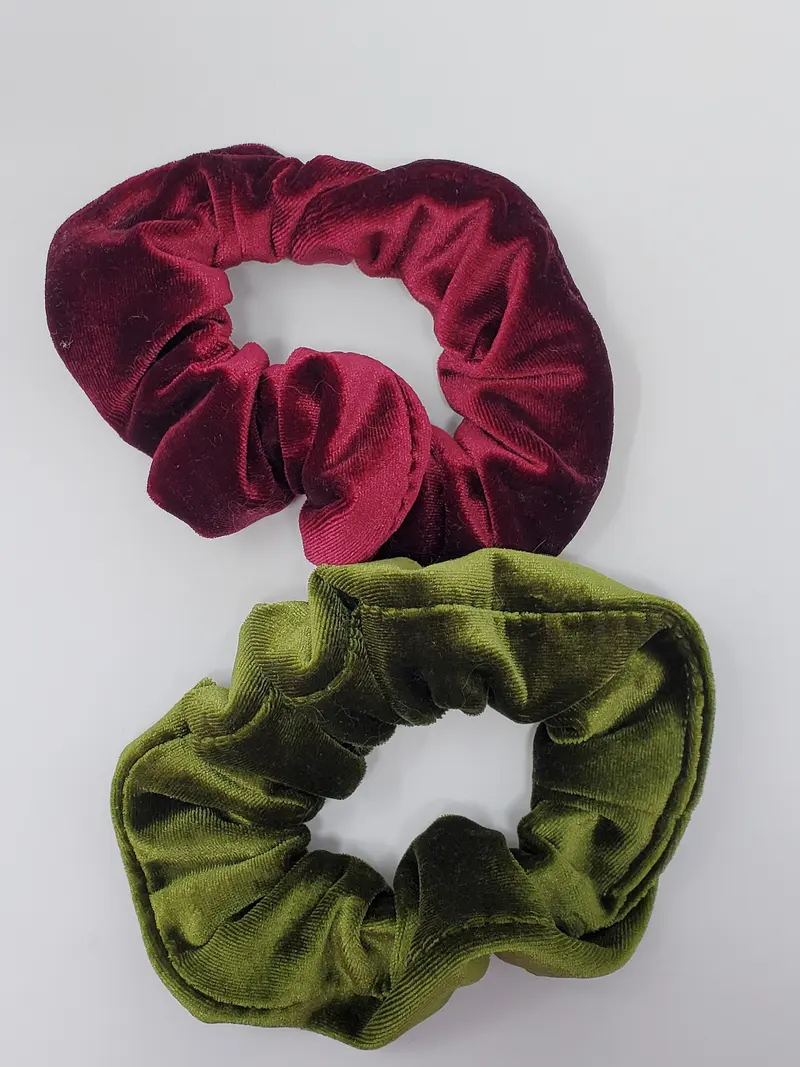
- Use soft, covered hair ties without metal joins rather than plain rubber bands.
- Don't tie hair up soaking wet after a shower — wet hair is more fragile.
When it's not just sweat
An itchy scalp with flakes after workouts may be dandruff or seborrhoeic dermatitis, which an anti-dandruff shampoo often helps. See a pharmacist or GP if it doesn't improve.
Not medical advice. This guide is general information from the sources listed, not a diagnosis or a substitute for a pharmacist, GP or dermatologist. If you are worried, or symptoms are severe or not improving, get advice. Read our health information policy.
Sources
- American Academy of Dermatology – Tips for healthy hair aad.org
- American Academy of Dermatology – Hairstyles that pull can lead to hair loss aad.org
- American Academy of Dermatology – 10 hair care habits that can damage your hair aad.org
- D'Souza P, Rathi SK. Shampoo and conditioners: what a dermatologist should know? Indian J Dermatol 2015 pmc.ncbi.nlm.nih.gov